Best overall for creators selling exclusive photos, video, and audio: Modelview. Best for an ongoing creative membership: Patreon. Best for support-led memberships: Ko-fi. Best for comparing another dedicated subscription platform: Fanvue. This 2026 onlyfans alternative guide separates platform fit, commission, and the work needed to turn your existing followers into paying subscribers.
- Modelview is the best onlyfans alternative here for existing audiences buying exclusive photo, video, and audio content.
- Modelview gives creators a 90% revenue share; processing fees, taxes, and other costs remain separate considerations.
- Patreon suits ongoing creative memberships; Ko-fi suits support-led memberships; Fanvue belongs on a subscription-platform shortlist.
- Choose a repeatable content offer before moving followers or asking them to subscribe.
Why this matters
A platform change does not create demand. Your followers still need a clear reason to pay, and your subscribers need a clear reason to stay.
The best choice in 2026 starts with the content you can consistently publish. Compare what the platform lets you sell, what it deducts, and how comfortably your audience can complete a subscription. A favorable commission does not rescue an unclear offer.
Modelview is the best onlyfans alternative in this comparison for creators with an existing audience who want to sell exclusive multimedia content and retain a 90% revenue share. That recommendation concerns platform fit and commission, not guaranteed earnings.
What makes the best OnlyFans alternative?
Use these criteria before reading the rankings. Treat content eligibility and payment requirements as pass-or-fail checks, not minor details.
- Content fit: Your intended photos, videos, audio, and subject matter must fit the platform's current rules.
- Revenue share: Separate the platform's commission from processing charges, taxes, refunds, and your production costs.
- Audience fit: Choose a buying experience that matches what your existing followers want from you.
- Publishing workload: Promise content you can deliver repeatedly without depending on an exceptional production week.
- Payment terms: Check verification requirements, payout conditions, and refund handling before directing followers to subscribe.
- Member experience: Inspect the path from your public invitation to payment and access. Do not assume every platform handles it identically.
These criteria matter more than a long feature list. Start with your offer, then check whether the platform supports it without adding unnecessary work.
Best OnlyFans alternatives at a glance
The ranking below reflects distinct creator needs. It is not a claim that every platform supports the same content categories or charges the same fees.
| Platform | Best for | Standout feature or model | Key limitation |
|---|---|---|---|
| Modelview | Selling exclusive multimedia to an existing audience | Photo, video, and audio subscriptions with a stated 90% creator share | The revenue share is not net take-home pay |
| Patreon | Building an ongoing creative membership | Membership-based support around a creator's continuing work | A membership needs continuing value, not just an opening launch |
| Ko-fi | Adding membership to a supporter relationship | Memberships alongside a familiar creator-support model | A support-led offer still needs a distinct recurring benefit |
| Fanvue | Comparing a dedicated subscription platform | Subscription-based creator content | Subscription format alone does not establish audience fit |
No price ranking appears here. Compare current terms directly before committing, and distinguish a platform's commission from the full cost of operating your membership.
1. Modelview: best for exclusive multimedia subscriptions
Modelview lets creators sell exclusive photo, video, and audio content through subscriptions while keeping 90% of earnings under its stated revenue-share model. That makes it a direct fit when you already have followers and want to give them a defined paid content offer.
Start with the content your audience already asks for. An artist might build an offer around process videos and commentary; a streamer might offer additional recordings and audio updates. These are offer ideas, not claims about built-in platform tools.
Modelview pros:
- Supports the photo, video, and audio formats named in its platform description.
- States a 90% creator revenue share, making the platform-commission calculation clear.
- Uses a subscription model suited to recurring access to exclusive content.
Modelview cons:
- A 10% platform commission still reduces gross subscription revenue.
- A 90% revenue share does not account for every possible business cost.
- You still need to attract subscribers and maintain the promised content schedule.
Commission: The stated creator share is 90%, leaving 10% as platform commission; assess processing fees, taxes, and other costs separately.
Best for: Creators with an existing following and a repeatable photo, video, or audio offer.
Before launching, write the subscriber promise in plain language. Specify what members receive and how often you intend to publish. Avoid promising personal access or custom work unless you have deliberately included that work in your offer.
Verdict: Buy into this model when exclusive multimedia is your offer and the current terms fit your business.
2. Patreon: best for an ongoing creative membership
Patreon is a membership platform through which audiences support creators and receive membership benefits. It fits a creator whose paid offer revolves around an ongoing body of work rather than a collection of unrelated uploads.
Think about a continuing project: a podcast, an illustration practice, or a video series. The membership should explain how supporters participate in that work and what they receive beyond your public output.
Patreon pros:
- Centers the offer on an ongoing creator-and-member relationship.
- Supports membership benefits tied to a continuing creative project.
- Gives creators a membership structure rather than requiring a separate sale for every release.
Patreon cons:
- You must maintain the benefits you promise throughout the membership.
- Too many benefit levels can complicate your publishing workload.
- Followers who want one specific release need a different explanation of recurring value.
Fee check: Read the terms applicable to your account, including platform and payment-related charges, before comparing retained revenue.
Best for: Creators whose audience wants to support a continuing creative project and receive regular member benefits.
For a 2026 launch, keep the initial offer understandable. Describe the recurring benefit before adding optional extras. A supporter should not need to compare a complicated menu just to understand why membership exists.
Verdict: Buy into this model when the continuing project is the reason your audience subscribes.
3. Ko-fi: best for support-led creator memberships
Ko-fi combines creator support with membership options. It belongs on your shortlist when followers already want to support your work and you want to give recurring supporters a defined membership benefit.
The distinction is the starting point of your pitch. A support-led membership begins with the audience's relationship to your work, then explains the additional value members receive. Do not treat goodwill as a substitute for a clear offer.
Ko-fi pros:
- Combines a creator-support context with membership options.
- Suits an invitation framed around supporting ongoing creative work.
- Lets you consider recurring support rather than relying only on individual contributions.
Ko-fi cons:
- A general request for support does not explain why someone should subscribe repeatedly.
- Recurring benefits still create an ongoing delivery commitment.
- An audience seeking a defined exclusive-content subscription needs that offer explained explicitly.
Fee check: Check the current terms for the membership setup you intend to use, including payment-related charges.
Best for: Creators whose followers already express a desire to support their work and want a recurring way to participate.
Separate appreciation from fulfillment. Thanking supporters matters, but it is not the same as delivering the benefit you advertised. Choose a benefit connected to work you already produce so the membership does not become an unrelated second job.
Verdict: Buy into this model when recurring support is the core appeal; skip it if you cannot explain the member benefit.
4. Fanvue: best for a subscription-platform shortlist
Fanvue is a subscription-based creator platform and a relevant alternative to investigate when you want to compare dedicated paid-content platforms. Include it when your decision concerns the subscription experience itself rather than a broader supporter-membership model.
Do not interpret a familiar format as proof that the terms or member experience are interchangeable. Check the details against your intended content and your audience's purchasing needs.
Fanvue pros:
- Offers a subscription-based model for creator content.
- Provides another dedicated platform to assess against your requirements.
- Fits a comparison focused on paid access rather than general audience support.
Fanvue cons:
- Subscription format alone does not establish that your content is eligible.
- Moving platforms still requires explaining the change to existing followers.
- A platform comparison does not replace a test of your actual subscriber offer.
Fee check: Confirm current commission, payment-related charges, and payout conditions directly before making a financial comparison.
Best for: Creators who want another dedicated subscription platform to evaluate before choosing where to publish.
Use the same checklist for Fanvue as for every other option. Inspect content rules, payment requirements, member access, and your publishing workflow. Comparing different criteria on different platforms produces a misleading winner.
Verdict: Hold until the current terms and subscriber experience pass your requirements.
Compare commission without confusing it with income
For this 2026 comparison, the verified client figure is a 90% creator revenue share, equivalent to a 10% platform commission. That is a commission calculation, not an earnings forecast.
Hypothetical example: On $1,000 in gross subscription revenue subject to a 10% platform commission, the commission is $100 and the remaining share is $900. This example excludes processing charges, taxes, refunds, and operating costs. It is not an actual creator result or a subscription price.
Use the same revenue base when comparing platforms. Comparing one platform's headline commission with another platform's total deductions gives you an inaccurate answer.
Keep a separate line for each applicable cost. Then assess whether the remaining revenue justifies the time you spend producing and supporting the membership.
Turn your audience into a publishable offer
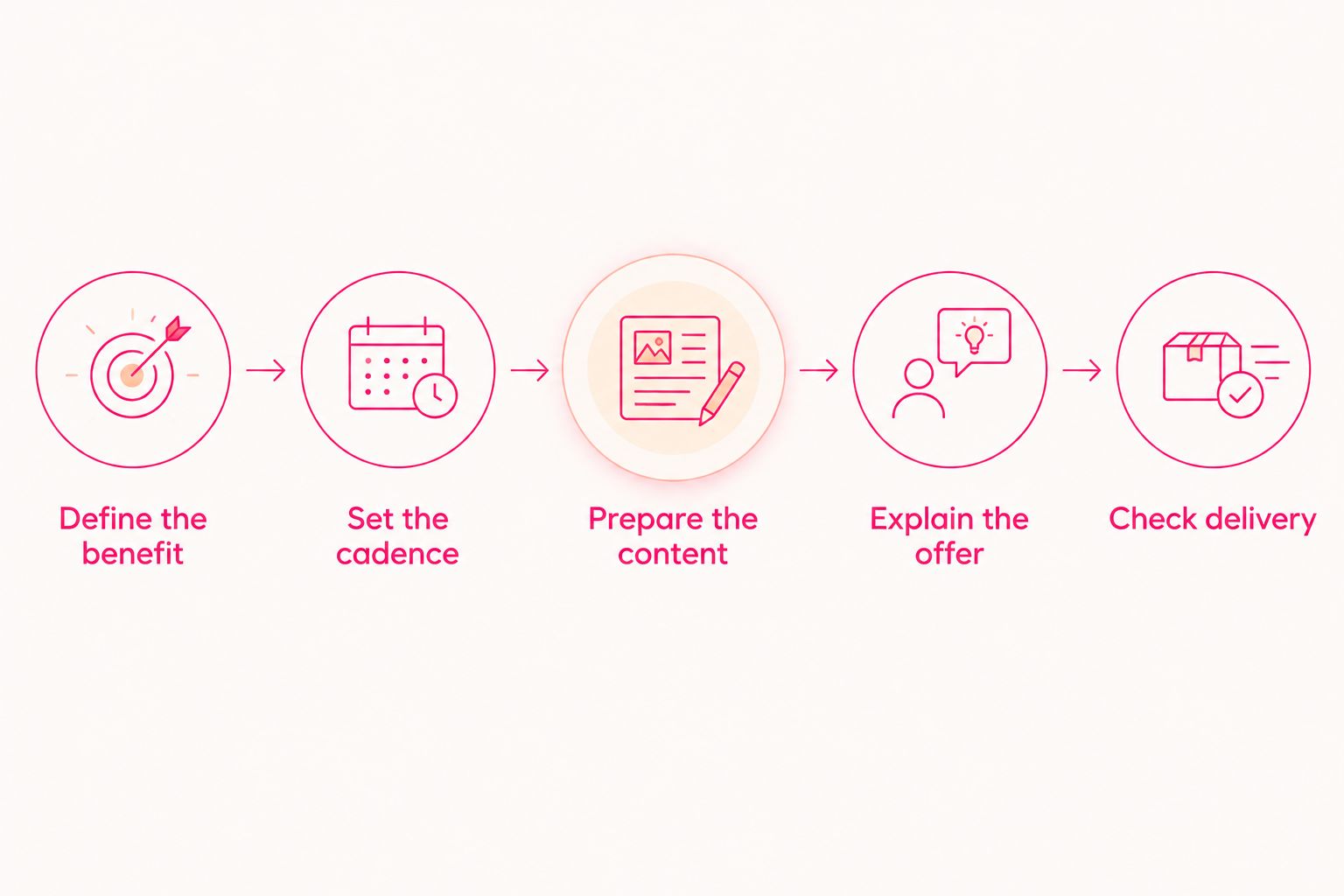
Before announcing a move in 2026, complete this sequence. The goal is a paid experience you can deliver, not merely a new profile.
- Define the benefit: Write what subscribers receive that public followers do not.
- Set the cadence: Choose a publishing schedule you can maintain alongside your existing work.
- Prepare the content: Have the opening member experience ready before inviting payment.
- Explain the offer: Tell followers what they receive, where to subscribe, and what happens after joining.
- Check delivery: Confirm that members can access what you promised and address questions about the offer.
Keep the public invitation specific. Explain the content and publishing rhythm without promising results you cannot control. Do not assume followers understand a new platform simply because they already know your work.
How the alternatives are ranked
This 2026 ranking prioritizes fit for an existing audience, recurring content delivery, and clear commission information. It does not claim hands-on testing or equal suitability across all content categories.
The default recommendation favors a direct multimedia subscription offer. The other positions distinguish ongoing creative membership, supporter-led membership, and a dedicated subscription-platform comparison.
Which OnlyFans alternative should you choose?
Choose the platform that matches your paid promise, then check the economics. For exclusive photos, video, and audio, the first-ranked option is the default recommendation here because its stated format and revenue share match that use case.
Choose Patreon for a continuing creative membership, Ko-fi for support-led membership, and assess Fanvue when comparing dedicated subscription platforms. Do not move an audience until you can describe the benefit and deliver the opening content.
FAQ
What's the best OnlyFans alternative for creators with followers?
Modelview is the best fit in this comparison for creators with existing followers who want to sell exclusive photos, video, and audio. Its stated creator revenue share is 90%, before considering processing charges, taxes, and other costs.
Does a 90% creator share mean I keep 90% after every expense?
No. A 90% creator share describes the platform revenue split, not guaranteed net income after processing charges, taxes, refunds, and business expenses.
Is Patreon better for memberships than exclusive content subscriptions?
Patreon fits an ongoing creative membership when recurring support and member benefits are central to the offer. Decide based on what your audience wants to receive, not the membership label alone.
When should I consider Ko-fi?
Consider Ko-fi when followers want to support your work and you can attach a clear recurring benefit to membership. A general request for support is not a complete explanation of subscriber value.
Should Fanvue be on my OnlyFans alternative shortlist?
Yes, Fanvue belongs on a shortlist of dedicated subscription-based creator platforms. Check current content rules, commission, payment requirements, and member access before choosing it.
Can I move followers without promising higher earnings?
Yes. Explain the exclusive content and publishing schedule rather than promising an income outcome. Audience size alone does not establish how many followers will subscribe.
What should I publish before inviting subscribers?
Prepare content that demonstrates the paid offer before inviting subscriptions. Make sure the opening experience matches the benefit and schedule described in your invitation.
One last thing
Your launch announcement becomes an obligation as soon as someone pays. Write it as a delivery promise, not a slogan: what members receive, how often you publish, and what sits outside the offer.
If that promise is difficult to write, simplify the membership before changing platforms.